
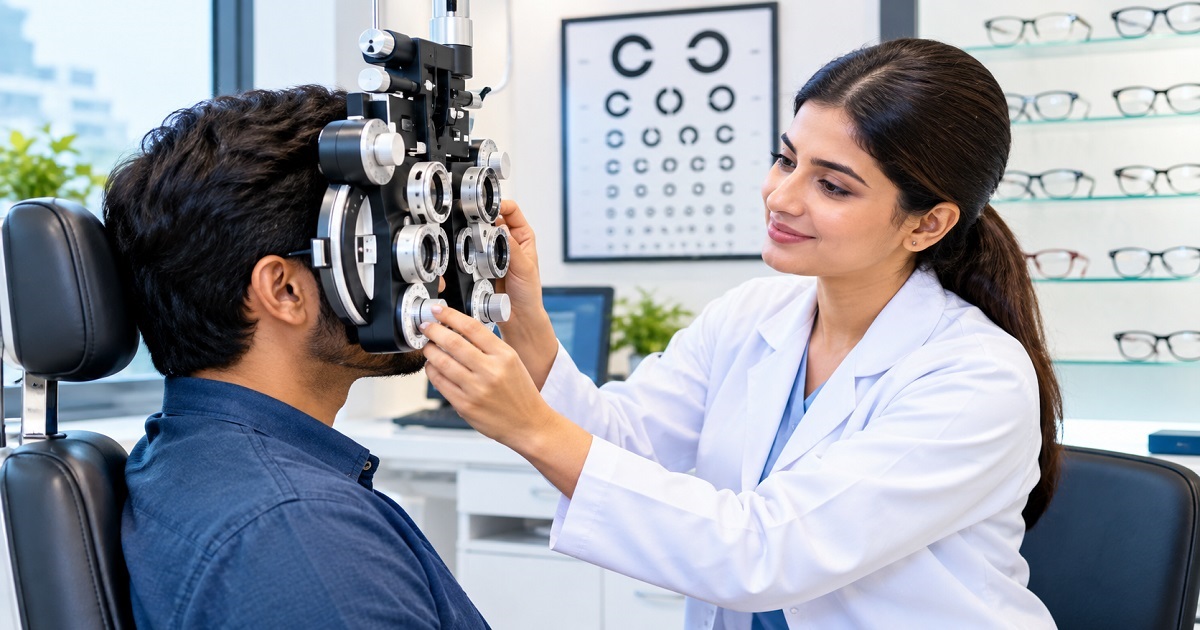
Regular eye examinations are an important part of maintaining healthy vision at every stage of life. Many people only visit an eye-care professional when they notice blurred vision, headaches, or difficulty reading. However, routine assessments can identify vision changes and certain eye problems before they become noticeable. Booking an appointment with the Best Optometrist in Lahore can help you understand your current vision needs and receive appropriate guidance for maintaining comfortable, clear eyesight.
An eye examination is not only about checking whether you need glasses. The Best Optometrist in Lahore can assess visual acuity, refractive errors, eye coordination, and other aspects of visual function. Depending on your symptoms and examination results, an optometrist may also recommend further evaluation by an ophthalmologist when necessary. Knowing when to schedule an eye exam can make routine eye care easier and more effective.
Why Regular Eye Exams Matter
Vision can change gradually, which means people may not immediately recognize that their eyesight has become less clear. Small changes can become noticeable during reading, driving, computer work, or other activities that require sustained visual attention.
A comprehensive eye examination provides an opportunity to assess vision before everyday problems become disruptive. Regular appointments can also help keep an updated record of prescription changes and identify whether additional eye-care services are needed.
When You Notice Blurred Vision
Blurred vision is one of the clearest reasons to schedule an eye examination. It can occur when your glasses prescription changes, when the eyes become dry, or because of other eye-related conditions.
If distant objects appear unclear, reading becomes difficult, or vision seems inconsistent throughout the day, an eye examination can help determine the possible cause. Avoid assuming that blurred vision is simply a sign that you need stronger glasses.
When Headaches Occur Frequently
Recurring headaches can sometimes be associated with visual demands, especially when someone spends long hours reading or working on digital screens. Uncorrected refractive errors can make the eyes work harder to maintain clear focus.
An eye examination can determine whether your current prescription is appropriate and whether there are other visual factors contributing to discomfort. However, headaches can have many causes, so persistent or severe headaches should not automatically be attributed to eyesight.
When You Spend Long Hours on Screens
Computers, smartphones, tablets, and other digital devices are part of everyday life for many people in Lahore. Students, office workers, freelancers, and business professionals may spend several hours looking at screens.
Extended screen use can be associated with temporary eye fatigue, dryness, difficulty focusing, and discomfort. An eye examination can help determine whether an uncorrected prescription or another visual issue is contributing to these symptoms.
When Reading Becomes Difficult
Difficulty reading small text can occur for different reasons. Younger people may experience focusing problems or an uncorrected prescription, while adults may eventually develop age-related changes in near vision.
If you find yourself holding reading material farther away, increasing text size frequently, or needing brighter lighting to read comfortably, an eye examination may be appropriate.
When Your Glasses No Longer Feel Effective
Glasses are designed according to an individual’s prescription at the time of the examination. As vision changes, an older prescription may no longer provide the same level of clarity.
Signs that your glasses may need reassessment include frequent squinting, difficulty seeing road signs, blurred text, eye fatigue, or needing to remove glasses for certain tasks.
Rather than changing your glasses based only on guesswork, an eye examination can establish whether the prescription has changed and whether your eyes require additional assessment.
When You Wear Contact Lenses
Contact lens users need appropriate eye care because lenses sit directly on the surface of the eye. Improper use, poor hygiene, overwearing, or unsuitable lenses can contribute to discomfort and complications.
An optometrist can assess how well your lenses fit and whether your eyes remain comfortable while wearing them. If you experience persistent dryness, redness, irritation, or fluctuating vision, you should arrange an eye examination.
Contact lens wearers should also follow recommended replacement schedules and cleaning instructions. Sleeping in lenses that are not specifically approved for overnight use can increase the risk of eye problems.
Eye Exams for Children and Teenagers
Children may not always recognize or communicate that their vision is unclear. They may adapt to visual difficulties without realizing that their eyesight is affecting schoolwork or daily activities.
Parents should pay attention to signs such as sitting very close to screens, holding books unusually close, frequent squinting, difficulty reading the board, or avoiding visually demanding tasks.
Regular eye assessments can help identify refractive errors and other visual concerns. Early identification may support better visual performance at school and during recreational activities.
Eye Exams for Adults Over 40
Vision needs can change as people enter middle age. One common change is difficulty focusing on nearby objects, often associated with presbyopia.
Adults may notice that reading small print requires more light or that they need to hold their phone farther away. These changes are common, but they still deserve professional assessment.
An eye examination can determine whether the symptoms are related to normal age-associated focusing changes or whether another issue needs attention.
When You Have a Family History of Eye Problems
Family history can be relevant when assessing eye health. Certain eye conditions can have hereditary components, so informing your optometrist about known family eye problems can provide useful context.
People with a family history of particular eye conditions may benefit from appropriate monitoring based on professional advice. The frequency and type of examination can vary according to age, symptoms, medical history, and individual risk factors.
When You Experience Eye Strain
Eye strain can occur after prolonged reading, computer use, driving, or other visually demanding activities. Symptoms may include tired eyes, temporary blurred vision, difficulty focusing, or discomfort around the eyes.
An eye examination can determine whether an incorrect prescription or focusing problem is contributing to the strain. Dry eye and environmental factors may also play a role.
When Night Driving Becomes Difficult
Driving at night requires good visual clarity and the ability to adapt to changing light conditions. Some people notice increasing difficulty with glare from headlights, halos around lights, or reduced clarity after dark.
These symptoms may be associated with refractive errors, dry eyes, or other visual factors. An eye examination can assess your vision and determine whether your prescription needs updating..
When Your Vision Changes Suddenly
Sudden changes in vision require prompt professional attention. A sudden loss of vision, new flashes of light, a large increase in floaters, a dark curtain or shadow across vision, or significant eye pain can indicate an urgent eye problem.
These symptoms should not be treated as routine prescription changes. Immediate medical assessment may be necessary, particularly when symptoms appear suddenly or affect one eye.
How Often Should You Have an Eye Exam?
There is no single examination schedule that applies to everyone. The appropriate frequency depends on age, existing eye conditions, prescription, contact lens use, family history, symptoms, and other health factors.
Instead of waiting until vision becomes uncomfortable, discuss an appropriate examination schedule during your appointment. Maintaining regular records can make it easier to identify changes over time.
What Happens During an Eye Exam?
A comprehensive eye examination can include several stages. The optometrist may begin by asking about your vision, symptoms, previous prescriptions, contact lens use, and general eye history.
Depending on your circumstances, additional assessments may be performed to evaluate eye coordination, focusing ability, eye pressure, or other aspects of eye health. If findings suggest a medical condition requiring specialist care, referral to an ophthalmologist may be recommended.
Preparing for Your Appointment
Preparation can make an eye examination more useful. Bring your current glasses and contact lenses if you use them, along with information about previous prescriptions or eye treatments when available.
If you have concerns about computer use, reading, driving, sports, or contact lenses, mention these during the appointment. Your daily visual requirements can help the optometrist understand what type of correction or advice may be most relevant.
Choosing an Optometrist in Lahore
Selecting an optometrist involves considering professional qualifications, examination facilities, communication, and the type of eye-care services available. A good appointment should give you an opportunity to understand your visual condition and ask questions about your eye health.
Booking an appointment with the Best Optometrist in Lahore can provide a clearer understanding of your current visual needs and whether your prescription or eye-care routine requires adjustment. Regular examinations are also valuable when there are no obvious symptoms because vision can change gradually. With appropriate examinations, personalized guidance, and timely referrals when necessary, patients can take a proactive approach to maintaining comfortable and healthy vision.
FAQs
How often should I have an eye exam?
The recommended frequency depends on your age, eye health, prescription, symptoms, and individual risk factors.
Can an eye exam detect vision changes?
Yes. An eye examination can identify changes in visual acuity and refractive prescription and may identify findings that require further assessment.
Should children have regular eye exams?
Yes. Children may not always recognize or communicate that they have difficulty seeing, making professional assessment important.
Do contact lens users need eye exams?
Yes. Regular assessment can help evaluate vision, lens fit, eye comfort, and overall eye health.
Should I book an exam for sudden vision changes?
Sudden vision changes should receive prompt professional attention, particularly when accompanied by pain, flashes, new floaters, or a shadow across vision.
No responses yet